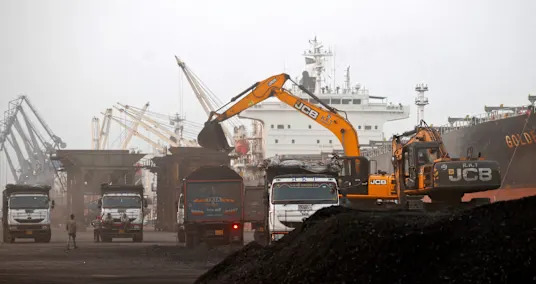
India’s much-delayed 2035 climate plan underestimates the country’s clean energy potential and allows for an acceleration of emissions growth, according to analysts. The plan aims to reduce the emissions intensity of its GDP by 47% from 2005 levels and increase the share of its electricity capacity from nonfossil sources to 60% by 2035.
The reduced carbon intensity target would, however, still allow India’s carbon emissions to increase by 70% over the next decade if GDP grows at a target rate of 7% per year, Lauri Myllyvirta of the Centre for Research on Energy and Clean Air told Semafor. That would translate to emissions growth of 5.5% per year, above the average rate of 3.5% over the past decade.
India is also on track to achieve its clean power capacity target well ahead of time: Its Central Electricity Authority projects that nearly 70% of power capacity will come from nonfossil sources by 2035-36.
“India’s booming clean energy industry is highly likely to deliver much faster progress than policymakers were prepared to commit to,” Myllyvirta said. Disruptions to oil and gas flows caused by the Iran war and the competitiveness of clean energy could strengthen the case for accelerating renewable deployment.
LATEST POSTS
- 1
 Turkiye’s Erdogan calls Israel’s Somaliland recognition ‘unacceptable’
 - 2RFK Jr.'s diet guidelines emphasize red meat, full-fat dairy. How healthy are they?
- 3Iranian strikes on Israel injure 11 and set chemical plant ablaze
- 4'Stranger Things' series finale trailer shows Hawkins gang gearing up for last battle with Vecna
- 5Elite Execution Gaming PCs for Gamers





- How Google, Microsoft, Walmart, and other corporate giants are preparing for an aging workforce
- An Ideal Getaway - Spots for Solo Travel
- How to disinfect if the stomach bug hits your home
- Artemis 2 astronauts are now headed to the moon. Why has it taken humanity so long to go back?
- Russian drone slams into block of flats in deadly wave of strikes across Kyiv
- 4 Must-Visit bar-b-que Eateries This Year
- What's an atmospheric river? AP explains the weather phenomenon
- Help Your Efficiency with These Work area Updates
- Child influencers helped power a booming industry. It's time for a reckoning.